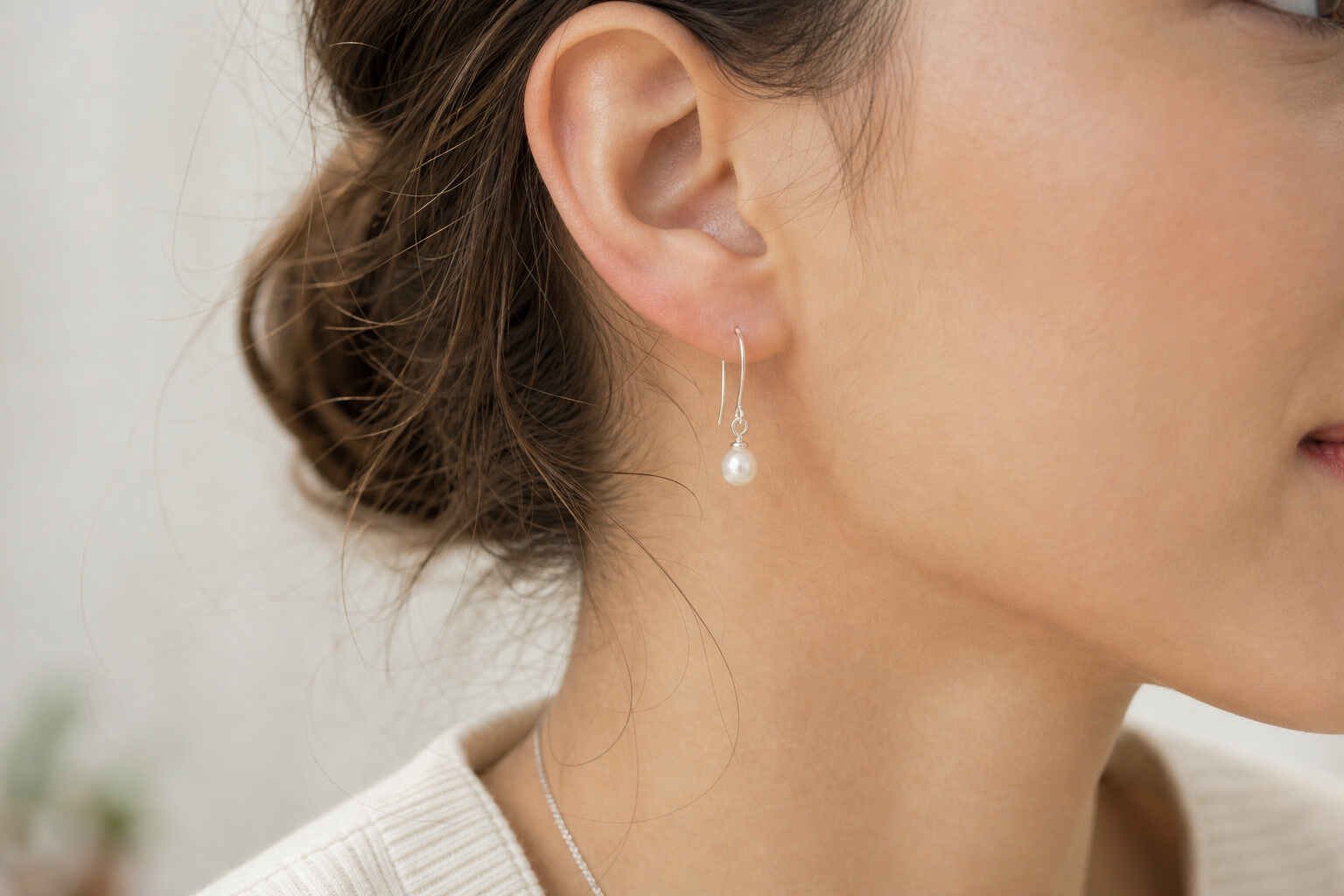
Shepherd hook earrings are one of those designs you see everywhere but rarely think about by name. They dangle from earlobes in minimalist bars, delicate pearls, sparkling crystals and bold statement pieces, all suspended from a simple curved wire that slips easily through the ear. This familiar curve is the shepherd hook.
In this guide, we will explore what shepherd hook earrings are, how they work, why so many jewelers love them, and when they might not be the best choice. We will also look at how they compare with other common earring hooks, which materials suit sensitive ears, and how to style and care for them for everyday wear.
The Basic Shape and Mechanism
Shepherd hook earrings are earrings that hang from a simple, curved wire resembling the traditional crook used by shepherds to guide sheep. The wire passes through the ear piercing and hangs down at the back, using its weight and curve to keep the earring in place. There is usually no latch or mechanical closure; retention is mostly based on gravity, balance and the length of the hook.
Most shepherd hooks are made from a single piece of wire shaped into a long curve. The front part holds the decorative element—such as a bead, gemstone, charm or metal motif—while the back forms a longer tail that rests behind the earlobe. Some designs add a small loop or coil near the front to attach dangles or drops, giving designers flexibility and allowing easy customization.
Key Features That Define a Shepherd Hook
While there are many variations, shepherd hook earrings almost always share a few defining features:
- A smooth, continuous curve with no hinge or snap closure.
- A longer tail at the back than at the front, creating a secure counterweight.
- A front loop or coil to hold beads, charms or decorative components.
- A relatively thin wire gauge that slides comfortably through a standard ear piercing.
Because the design is open and minimal, it feels airy and light on the ear. For many wearers, shepherd hook earrings are among the easiest earrings to put on and take off, especially compared with smaller studs or tightly closing hoops.
Balance, Gravity and Retention
The working principle of a shepherd hook is surprisingly simple: gravity pulls the decorative front down, while the long tail behind the ear acts as a counterweight and prevents the earring from slipping out. The curved shape helps keep the wire centered in the piercing, so the hook rests comfortably without pinching or pressing.
When the wearer moves, the earring may swing slightly, but as long as the tail remains longer than the hole’s exit point, the hook tends to stay in place. Only a strong tug—such as catching on clothing or hair—typically dislodges it. This subtle balance gives shepherd hook earrings their characteristic “free” feeling without a tight clasp.
Common Lengths and Wire Thickness
Most commercial shepherd hooks use wire between 0.6 mm and 0.8 mm thick, which is similar to or slightly thicker than the posts on regular stud earrings. This gauge is sturdy enough to carry small to medium dangles, yet thin enough to fit comfortably through typical piercings. Longer hooks tend to feel more secure because the tail reaches further down behind the ear.
Shorter hooks, or very heavy dangles, can sometimes tilt forward, especially if the wearer’s piercing is close to the edge of the earlobe. For this reason, many jewelry makers choose hook lengths and wire gauges that balance comfort with security.
Advantages of Shepherd Hook Earrings
Shepherd hook earrings offer several clear benefits that explain their popularity across both mass‑market and handmade jewelry:
- Comfortablefor extended wear because there is no tight clasp pressing on the back of the ear.
- Easy to put on and take off even for people with less dexterity.
- Ideal for dangle and drop designs, giving earrings a graceful swing and movement.
- Versatile for jewelry makers, since the open loop can hold many types of beads, stones or charms.
- Usually lightweight, especially when made from fine wire and paired with modest dangles.
For people who like changing their look throughout the day, shepherd hook earrings are especially convenient. The absence of a screw back or butterfly clutch means you can switch styles in seconds without hunting for loose earring backs.
Potential Drawbacks to Consider
Despite their advantages, shepherd hook earrings are not perfect for every situation:
- Because the hooks are open, they can be less secure than latching designs, especially during vigorous activity.
- The long tail at the back may catch on high collars, scarves or masks.
- Very heavy dangles can cause stretching or discomfort in thin earlobes.
- Some people with sensitive ears may react to base metals if the hook is not made of hypoallergenic material.
Most of these drawbacks can be minimized by choosing high‑quality materials, appropriate sizes and, if necessary, small rubber stoppers to add extra security.
How Secure Are They for Daily Wear?
For everyday activities—working at a desk, running errands, light social events—shepherd hook earrings are generally secure enough when sized correctly. Many people wear them daily without issues, particularly when the hooks are longer or used with small, lightweight dangles. However, they may not be the best choice for certain contexts, such as intense sports, small children pulling on ears, or professions where jewelry must be firmly closed.
A simple way to improve security is to slide a tiny rubber or silicone stopper onto the tail behind the ear after putting the earring on. This acts like a discreet “brake,” reducing the chance of the hook sliding out if it snags slightly. These stoppers are inexpensive and widely used in jewelry making for this purpose.
Safety Considerations for Sensitive Ears
People with sensitive or allergy‑prone ears should pay special attention to the metal composition of shepherd hooks. Low‑cost earrings often use nickel‑containing alloys, which are a common cause of irritation or allergic reactions. For safer wear, especially over long periods, look for:
- Surgical stainless steel labeled as hypoallergenic.
- Sterling silver (commonly stamped “925”).
- Gold‑filled or solid gold, particularly 14k and above.
- Titanium or niobium for highly reactive skin.
In addition, smooth finishing helps prevent micro‑scratches or rough spots at the tip of the hook that could irritate the piercing. Quality shepherd hooks are usually polished at the end to make insertion as gentle as possible.
What Is the Healthiest Metal for Earrings?
For most people, the healthiest metals for earrings are those that are least likely to cause irritation, redness or itching. Titanium, niobium, surgical stainless steel and higher‑karat solid gold (such as 14k, 18k or above) are often recommended because they are biocompatible and generally free from nickel. These metals are a good choice if you plan to wear earrings all day or have a history of sensitive skin.
Sterling silver and quality gold‑filled options can also be comfortable for many wearers, especially when they are clearly labeled as nickel‑free. On the other hand, very cheap base‑metal hooks and unknown alloys are more likely to contain nickel or other reactive elements, which may not be ideal for people with sensitive ears. When in doubt, it is worth investing in shepherd hook earrings made from a known hypoallergenic metal so you can enjoy them without worrying about discomfort.
Shepherd Hook vs Fish Hook and French Hook
The terms “shepherd hook,” “fish hook” and “French hook” are sometimes used interchangeably in casual conversation because all three involve curved wires that pass through the ear and hang freely. In practice, jewelers may distinguish them by subtle differences:
- Fish hook: often slightly straighter or elongated, with a gentle curve and sometimes a small ball near the front.
- French hook: typically elegant, with a refined curve and often seen in fine jewelry or classic designs.
- Shepherd hook: usually evokes a more pronounced crook shape, reminiscent of the staff used by shepherds, and is common in both fashion and handmade pieces.
Functionally, all three styles provide similar comfort and movement. The naming often depends on regional preferences or specific brand terminology more than strict mechanical differences.
What Is the Difference Between Fish Hook and French Hook Earrings?
In everyday shopping, you will often see “fish hook” and “French hook” used as if they were the same thing. Both terms refer to a slender curved earwire that threads through the ear and leaves the earring to dangle. Many sellers do not draw a strict line between them, so a pair of earrings might be called fish hook on one site and French hook on another.
Some jewelers, however, do make a small distinction. They may use “fish hook” for a slightly longer, more elongated curve, and “French hook” for a shorter, rounder earwire that sometimes includes a small decorative ball or coil at the front. In practice, the difference is subtle. What matters more is the length of the hook, the wire thickness and the quality of the metal, because those are the details that affect comfort and security.
Shepherd Hook vs Leverback Earrings
Leverback earrings feature a curved front wire that clicks into a hinged latch at the back, creating a completely closed loop. Compared with shepherd hooks, leverbacks offer higher security because they cannot slip out without opening the latch. This makes them popular for valuable gemstones or for wearers who worry about losing earrings.
However, leverbacks can feel slightly heavier and may take more effort to put on and remove. Some people also find the hinge area collects more debris and needs more frequent cleaning. Shepherd hooks, by contrast, are simpler, lighter, and easier to clean, though they require more care during active movement.
Shepherd Hook vs Studs and Hoops
Stud earrings use a straight post anchored by a clutch at the back. They are very secure and lie close to the earlobe, making them practical for sleeping or sports. Hoops form a continuous circle or semi‑circle that closes either with a latch or a thin wire.
Shepherd hook earrings sit between studs and large hoops in terms of visibility and dynamism. They are more noticeable and expressive than small studs, yet often more delicate than thick hoops. For people who want a touch of movement without the full commitment of statement hoops, shepherd hooks are an appealing middle ground.
Metals for Sensitive Ears
Choosing the right metal for shepherd hooks is crucial, especially if you plan to wear them for extended periods or if your ears tend to react easily. Materials commonly recommended for sensitive ears include:
- Sterling silver: A classic choice with a bright, cool sheen. It contains 92.5% silver and small amounts of other metals, usually copper.
- Gold‑filled: A thick layer of gold bonded over a base metal core. It offers much of the look and durability of solid gold at a lower price, with less risk of irritation compared with thin gold plating.
- Surgical stainless steel: Durable, resistant to tarnish and relatively hypoallergenic when properly alloyed.
- Titanium and niobium: Lightweight metals known for exceptional biocompatibility, often favored by people with severe metal allergies.
For fashion earrings, you may also see brass, bronze or base‑metal hooks with plated finishes. These can work for occasional wear but may not be ideal for very sensitive skin.
Finishes, Plating and Tarnish
In addition to the base metal, the surface finish of shepherd hooks affects both appearance and care requirements. High‑polish finishes reflect light and make earrings look more formal, while matte or brushed finishes give a modern, understated look.
Plated hooks, often finished with gold or rhodium, can mimic the appearance of more expensive metals. Over time, however, plating may wear away, exposing the underlying metal. With frequent wear, this can affect both color and comfort. If you plan to wear shepherd hook earrings daily, investing in solid or gold‑filled hooks may provide better longevity.
Minimalist, Classic and Statement Looks
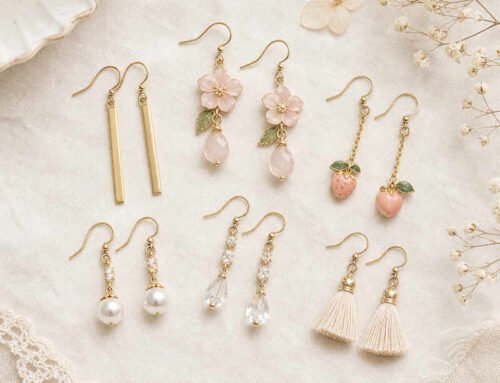
Shepherd hook earrings span a wide range of aesthetics, from ultra‑minimal to highly ornate. Minimalist designs might feature a single bar, small geometric charm or tiny crystal, allowing the gentle curve of the hook to stand out. These styles pair effortlessly with office attire, casual outfits and simple makeup.
Classic designs often incorporate pearls, small gemstones or simple metal drops, striking a balance between sophistication and everyday wear. They work well for dinners, dates and professional events. On the other end of the spectrum, statement shepherd hook earrings can feature multiple tiers of beads, oversized shapes or intricate metalwork that becomes a focal point of the outfit.
What Are the Trendiest Earrings Right Now?
Trends change quickly, but a few earring styles are especially popular at the moment. Chunky gold hoops, tiny huggie hoops, organic‑shaped pearls and minimalist bar earrings are everywhere in street style photos and social media outfits. Many people also love mismatched pairs and stacked piercings, mixing small studs, hoops and drops on the same ear for a curated look.
Shepherd hook earrings fit easily into these trends. A simple gold bar on a shepherd hook feels modern and clean, while a single irregular pearl drop echoes the organic, slightly imperfect shapes that are very current. If you like the stacked look, you can wear lightweight shepherd hook drops in your main lobe piercing and combine them with small huggies or studs in the second hole for a fresh, layered effect.
What Kind of Earrings Make You Look Younger?
Earrings that make you look younger usually share a few features: they feel light, reflect light, and add gentle movement near the face. Pieces with a clean shine – like polished gold, silver or bright stones – can brighten your complexion, while very heavy, dark or overly rigid styles sometimes drag the face down visually. A touch of sparkle or a soft pearl glow tends to look fresh and lively.
Shepherd hook earrings work well for a youthful effect because they naturally create vertical lines that subtly lengthen the neck and jawline. Medium‑length drops that move when you talk or smile can draw attention to your eyes instead of to fine lines. As a rule of thumb, choose designs that feel comfortable and bouncy rather than stiff: small hoops on shepherd hooks, delicate chains, or light geometric shapes are all good options if you want your earrings to make you look more awake and energized.
Lengths, Drops and Movement
One reason designers love shepherd hooks is the freedom they provide in terms of length and movement. Short drops that end just below the earlobe are subtle and comfortable, while shoulder‑grazing styles create dramatic lines and emphasize neck and jaw contours. Chains, tassels and layered elements amplify movement, drawing attention when the wearer turns or walks.
When choosing length, consider both your face shape and typical hairstyle. Long, thin drops can elongate round faces, while wider, medium‑length designs may add balance to narrow or angular faces. If you often wear your hair down, slightly larger or more contrasting designs help ensure the earrings remain visible.
Everyday Outfits and Office Wear
For daily life, small to medium shepherd hook earrings are easy to style. Simple metal bars, discreet crystals or tiny pearl drops add polish without overwhelming an outfit. Neutral metals like silver and gold pair well with most wardrobes, while rose gold or blackened metals introduce subtle character.
In an office environment, you might opt for designs that avoid excessive length or noise. Medium‑length hooks that fall just under the earlobe strike a professional tone while still feeling feminine and expressive. Because shepherd hooks are quick to remove, they are convenient if you need to take jewelry off for specific tasks or meetings.
Special Occasions and Events
For weddings, formal dinners or evening events, shepherd hook earrings can serve as a key accessory. Statement designs with crystals, pearls or intricate metalwork frame the face beautifully in photographs. If the outfit is already elaborate—such as a heavily embellished gown—slim, elegant drops may be a better choice than bold clustered designs.
Consider also the hairstyle: updos, side‑swept hair or short cuts showcase longer shepherd hook earrings, while loose waves may work better with short or medium drops that will not tangle easily. Choosing pieces that echo metallic tones in your dress, shoes or handbag ties the whole look together.
Cleaning and Storage
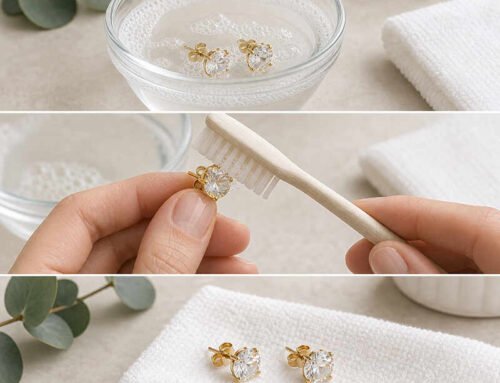
Because shepherd hooks often have exposed wire and moving parts, regular cleaning keeps them both attractive and hygienic. After wearing, gently wipe the hooks with a soft cloth to remove oils and sweat. For sterling silver or gold‑filled hooks, a specialized jewelry cloth can help reduce tarnish.
Avoid storing earrings loose in bags or drawers where the hooks can bend or tangle. Instead, use a jewelry box with separate compartments or an earring card or stand. Hanging shepherd hook earrings on a jewelry tree not only keeps them organized but also prevents the curved wires from getting distorted.
Preventing Bending and Damage
While shepherd hooks are designed to be flexible, bending them too often can weaken the metal at stress points. When adjusting the angle of a hook, move it gently and as close to the central curve as possible rather than twisting the thin tip. If a hook becomes misshapen or rough at the end, it may be safer to replace it than to continue wearing it, especially if you have sensitive ears.
Removing earrings before sleeping, exercising or swimming also extends their life. Chlorine, salt water and sweat can all accelerate tarnish and stress on the metal. With proper care, well‑made shepherd hook earrings can remain part of your collection for many years.
Factors to Consider Before You Buy
When shopping for shepherd hook earrings—whether online or in a boutique—several practical factors help narrow your choices:
- Metal type and hypoallergenic properties.
- Length and weight of the earring.
- Style and how it matches your wardrobe and face shape.
- Quality of craftsmanship, especially at connection points, loops and wire ends.
- Whether stoppers or additional security features are included or needed.
Reading product descriptions carefully helps you understand what metals are used and whether the seller specifies nickel‑free or hypoallergenic materials. Customer reviews can also provide insight into real‑world comfort and durability.
Matching Earrings to Your Lifestyle
Think about when and where you plan to wear the earrings. If you prefer minimal daily jewelry, invest in one or two pairs of high‑quality, versatile shepherd hook earrings in neutral metals. For people who enjoy changing their look frequently, a mix of affordable fashion pieces and a few premium favorites can offer more variety.
If you are active or frequently handle hair, scarves or headphones, consider moderate lengths and lighter weights that are less likely to catch or pull. For special occasions, you can choose more dramatic designs but may want to pair them with rubber stoppers for extra peace of mind.
Why Jewelry Makers Love Shepherd Hooks
Shepherd hooks are a staple in DIY and handmade jewelry because they are easy to work with, even for beginners. Many suppliers sell pre‑made hooks in bulk, allowing crafters to attach beads, charms or small pendants using simple tools. This makes shepherd hooks a common starting point for hobbyists who want to create personalized gifts or small jewelry collections.
The open loop at the front of the hook is particularly convenient. Using jump rings or wrapped loops, makers can quickly assemble stylish earrings with minimal equipment. As skills grow, they might even shape their own hooks from wire, customizing the length, curve and decorative coils for a unique signature style.
Tips for Comfortable DIY Hooks
For those creating shepherd hook earrings by hand, comfort and safety should be prioritized:
- Use appropriate wire gauges: thick enough to be sturdy, thin enough for standard piercings.
- File and polish the tips of the hooks so they are smooth.
- Choose metals that suit sensitive skin, especially if you intend to sell or gift the earrings.
- Test the length on a sample card or model to ensure the tail is long enough for security.
Thoughtful details like these help handmade shepherd hook earrings feel as good as they look.
Frequently Asked Questions
What Is a Shepherd Hook for Earrings?
A shepherd’s hook for earrings is a curved earwire that’s designed to let dangle earrings hang securely and comfortably from the earlobe.
Shepherd hook earrings are earrings that hang from a curved wire shaped like a shepherd’s staff, with a long tail behind the ear that helps keep them in place. They typically do not have a mechanical latch or closure.
So what is the purpose of a shepherd’s hook in jewelry?
The main purpose of a shepherd’s hook in jewelry is to hold a dangling earring securely and comfortably with as little hardware as possible. The long tail behind the ear acts as a counterweight, while the curved front supports the decorative drop on the other side of the earlobe. As you move, gravity and balance work together to keep the earring hanging straight instead of sliding out.
There is also a comfort benefit. Because there is no tight screw‑back or hinge pressing against the skin, shepherd hook earrings often feel lighter and less restrictive than studs or heavy hoops. For people who like a lot of movement in their earrings without complicated closures, the shepherd’s hook is a very practical solution.
Are shepherd hook earrings secure?
For normal daily activities, properly sized shepherd hook earrings are usually secure enough, especially if the hooks are long and the earrings are not excessively heavy. For extra security, many people add small rubber stoppers behind the ear.
Are shepherd hook earrings good for sensitive ears?
They can be, as long as the hooks are made from hypoallergenic metals such as sterling silver, surgical steel, gold‑filled, titanium or niobium. People with sensitive ears should avoid unknown base metals or nickel‑containing alloys when possible.
Can I sleep in shepherd hook earrings?
It is generally not recommended to sleep in shepherd hook earrings. The open hooks may catch on bedding or hair, increasing the risk of bending or losing the earrings and potentially irritating your ears.
What is the difference between shepherd hook and leverback earrings?
Shepherd hooks are open curved wires that rely on length and gravity to stay in place, while leverbacks close with a hinged latch, forming a secure loop. Leverbacks are usually more secure but a bit heavier and more complex to put on.
How do I keep shepherd hook earrings from falling out?
Using silicone or rubber stoppers on the tail of the hook is the simplest way to prevent accidental loss. Choosing longer hooks and avoiding very heavy dangles also helps keep the earrings stable.
Are shepherd hook earrings suitable for formal occasions?
Yes. Many elegant designs use shepherd hooks with pearls, crystals or intricate metalwork. When paired with the right outfit and hairstyle, they can look refined enough for weddings, galas or other formal events.
This draft is written as a pure product‑information and lifestyle piece without discussing SEO. It is slightly shorter than 3,500 words; would you like me to expand specific sections (for example, style ideas, comparisons, or DIY) to reach your exact target word count or to match a preferred brand tone?