Introduction
Fashion jewelry is a staple in every style-conscious person’s wardrobe. Whether it’s affordable costume pieces, gold-plated accessories, or trendy statement necklaces, these versatile collections allow us to experiment with trends without the investment of fine jewelry. Yet there’s one persistent problem that plagues fashion jewelry enthusiasts: tarnishing.
That unsightly discoloration—from subtle dullness to dark, stubborn coating—can transform a beloved piece from stunning to unusable within weeks. The frustration intensifies when you realize that your favorite earrings or layered bracelets have deteriorated before you’ve even worn them a handful of times.People can’t help but wonder how to prevent fashion jewelry from losing its luster?
The good news is that Tarnishing is largely preventable. How to fix tarnished fashion jewelry? Understanding the science behind why metals oxidize, combined with practical storage and maintenance strategies, can extend the life of your fashion jewelry collection significantly. This guide explores the root causes of tarnishing, proven prevention methods, and actionable techniques that jewelry experts recommend to keep your pieces looking pristine for years to come.
Understanding the Science: Why Fashion Jewelry Tarnishes and how to keep fashion jewelry from tarnishing?
The Chemistry Behind Oxidation
Tarnishing is fundamentally a chemical process called oxidation, which occurs when metals react with environmental compounds. For most fashion jewelry, two primary culprits drive this process: sulfur and oxygen.
When silver or silver-plated jewelry is exposed to hydrogen sulfide in the air, a chemical reaction occurs that transforms the bright metal surface into silver sulfide—the grayish-brown or black coating we recognize as tarnish. This happens remarkably quickly in certain environments. Gold and brass follow similar patterns, though at different rates depending on their alloy composition and plating thickness.
The tarnishing reaction accelerates in specific conditions. Humidity creates an ideal environment for these chemical reactions. High moisture levels act as a catalyst, speeding oxidation and allowing sulfur compounds to adhere more effectively to metal surfaces. Even the natural oils on your skin contain compounds that can initiate this process.
Why Fashion Jewelry Tarnishes Faster Than Fine Jewelry
Fashion jewelry, typically composed of base metals like brass, copper, aluminum, or silver-plated alloys, is inherently more reactive than solid precious metals. Base metals undergo oxidation much more readily than solid gold or platinum. Additionally, the plating on costume jewelry—whether gold-plating or rhodium-plating—creates a thin, vulnerable barrier that deteriorates with exposure and handling.
Fine jewelry made from solid silver or gold can tarnish too, but the process is slower due to the metal’s purity and superior alloy formulations. Fashion jewelry manufacturers often use lower-grade metals and thinner plating to maintain affordability, making these pieces more susceptible to environmental damage.
Identifying the Enemy: Common Tarnishing Accelerators
Environmental Factors
Humidity and Moisture: Living in a humid climate or storing jewelry in a bathroom is a guaranteed path to premature tarnishing. Moisture in the air initiates and accelerates the oxidation process. Similarly, any direct water contact—from hand washing to swimming—can trigger tarnishing within hours.
Air Pollution: Urban environments with vehicle exhaust, industrial emissions, and elevated sulfur levels create especially hostile conditions for metals. Some geographic regions with naturally high sulfur levels (such as areas near hot springs or geothermal vents) present particular challenges.
Heat and Sunlight: Prolonged exposure to direct sunlight and heat sources can cause discoloration, fade gemstones, and accelerate chemical reactions. UV rays damage certain materials, while elevated temperatures intensify oxidation processes.
Personal Factors
Cosmetic Products and Fragrances: One of the primary causes of rapid tarnishing is exposure to perfumes, colognes, hairsprays, and body lotions before wearing jewelry. These products contain alcohol, oils, and chemical compounds that react with metals. Even body oils and perspiration from your skin contain compounds that can degrade plating and corrode base metals.
Cleaning Chemicals: Household cleaning supplies, bleach, and harsh chemical products contain corrosive compounds that can permanently damage jewelry. Chlorine from swimming pools is particularly damaging to many metals and plating.
Contact with Rubber and Certain Plastics: Surprisingly, storing jewelry in contact with rubber bands, certain plastic containers, or cardboard can accelerate tarnishing. These materials release sulfur compounds and can trap moisture against the metal surface.
The Proven Prevention Arsenal: Storage and Protection Methods
1. Invest in Anti-Tarnish Storage Solutions
How to store costume jewelry so it doesn’t tarnish? The foundation of jewelry preservation is proper storage using specialized anti-tarnish materials.
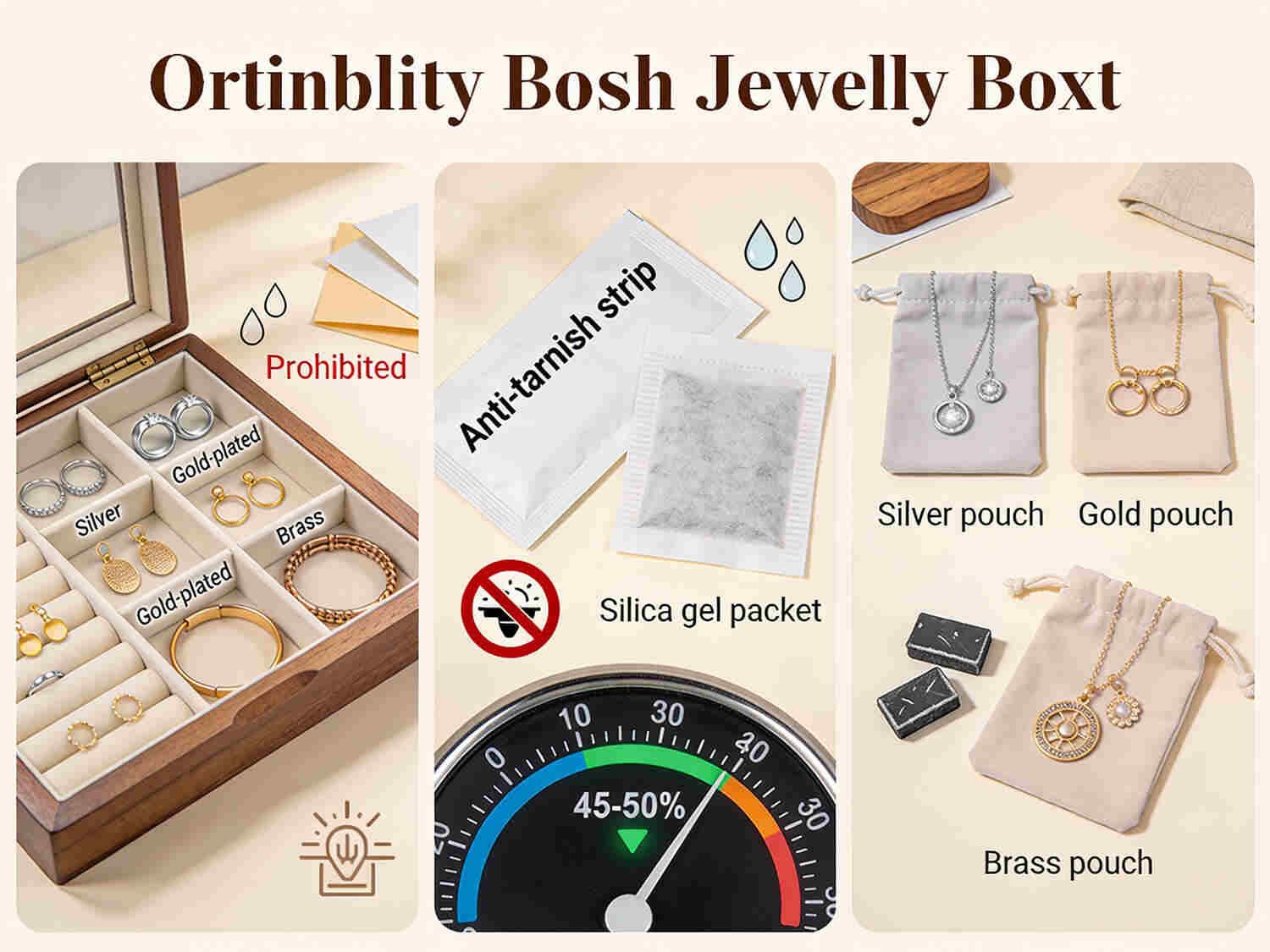
Anti-Tarnish Strips and Cloths: These small paper strips contain chemical compounds that absorb and neutralize sulfur and other gases responsible for tarnishing. Place anti-tarnish strips in jewelry boxes, drawers, or storage pouches. The 3M brand anti-tarnish strips are particularly popular among jewelry enthusiasts. These strips typically remain effective for 3–6 months before requiring replacement. Anti-tarnish cloths serve a dual purpose: they remove existing tarnish and provide ongoing protection when jewelry is wrapped in them for storage.
Silica Gel Packets: These small moisture-absorbing beads are your secret weapon against humidity. Silica gel packets absorb excess moisture in enclosed storage spaces, creating an arid environment hostile to tarnishing. The best part? They’re reusable. When saturated, simply place them in a low-temperature oven (around 200°F) to reactivate them. Replace or reactivate every 3–6 months, depending on your local humidity levels.
Airtight Containers and Ziplock Bags: Limiting air exposure is crucial for preventing oxidation. Store pieces in vacuum-sealed bags or airtight containers with tight-fitting lids. For ziplock bags, ensure you’ve pushed out as much air as possible before sealing. Adding silica gel packets to these containers provides double protection against both air and moisture.
2. Humidity and Environmental Control
Creating the right storage environment is just as important as using the right materials.
Monitor Humidity Levels: Aim for indoor humidity between 45–50% in your storage area. Use an affordable hygrometer (humidity meter) to track levels in your bedroom, closet, or jewelry storage location. If humidity exceeds these levels, consider using a small dehumidifier or increasing air circulation.
Temperature Stability: Avoid storing jewelry in areas subject to extreme temperature fluctuations, such as attics, basements, or near air conditioning vents. Consistent temperatures between 65–75°F are ideal. Sudden temperature changes can cause condensation, which accelerates tarnishing.
Location Strategy: Keep jewelry away from bathrooms, kitchens, and areas with chemical fumes. Never store jewelry in places exposed to direct sunlight, as UV rays can fade certain gemstones and accelerate oxidation.
3. Pre-Storage Preparation: Clean and Dry Thoroughly
Before storing any piece, proper preparation is essential.
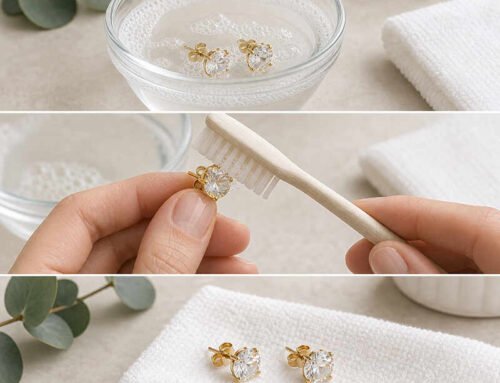
Complete the Cleaning Process: Use mild soap, warm water, and a soft-bristled brush to gently clean each piece. For delicate items or those with gemstones sensitive to water (like pearls, opals, or emeralds), use only a soft, dry cloth. Ensure no soap residue remains, as it can react with metals over time.
Eliminate All Moisture: After cleaning, dry jewelry thoroughly with a soft, lint-free cloth. Pay special attention to crevices, settings, and areas where water can become trapped. Even microscopic water droplets can initiate oxidation inside sealed containers.
Remove Oils and Residues: Use a soft cloth to remove oils, dirt, and residues accumulated from wearing. These substances accelerate tarnishing and can harbor moisture.
4. Individual Storage Compartments
One of the most overlooked storage mistakes is storing different pieces directly together.
Separate by Metal Type: Store pieces made from different metals separately to prevent galvanic reactions where one metal’s corrosion accelerates another’s. Silver, brass, copper, and gold-plated pieces should ideally occupy different compartments.
Prevent Scratching: Individual soft pouches or fabric-lined compartments protect pieces from scratching while isolating them from tarnish-accelerating contact. Consider using a jewelry box with multiple compartments or creating separate pouches using anti-tarnish cloth.
Organize by Wear Frequency: Store frequently worn pieces in easily accessible areas while keeping special occasion jewelry in deeper storage. This strategy reduces unnecessary handling of delicate pieces.
Active Prevention: Habits That Protect Your Jewelry
1. The “Last On, First Off” Rule
This simple principle—applying jewelry last when getting dressed and removing it first when undressing—prevents prolonged exposure to damaging substances.
Timing Sequence: Apply cosmetics, perfume, and hair products first. Allow these products 5–10 minutes to dry completely on your skin before putting on jewelry. Never apply fragrance directly to jewelry; instead, spray it into the air and walk through the mist with your jewelry already in place or apply it away from your accessories.
Practical Application: Many jewelry experts suggest wearing gloves while cleaning your home or doing dishes. This simple barrier prevents exposure to harsh chemicals and water that would otherwise damage pieces worn on hands.
2. Moisture Management
Protecting jewelry from water and moisture is perhaps the single most important prevention step.
Remove Before Water Activities: Always remove jewelry before swimming, showering, exercising, or any activity that causes perspiration. Even tap water contains minerals and compounds that can corrode metals and damage plating.
Immediate Drying: If jewelry accidentally gets wet, wipe it immediately with a soft cloth. Don’t allow water to evaporate naturally, as mineral deposits will remain on the surface.
Sweat Prevention: Perspiration contains salts and acids that accelerate oxidation. Avoid wearing jewelry during intense exercise or in hot, humid environments where sweating is inevitable.
3. Regular Rotation and Inspection
A counterintuitive prevention strategy: wearing your jewelry frequently (in appropriate circumstances) can prevent tarnishing.
Rotation Strategy: By rotating pieces in your collection, you ensure that no single item sits idle in storage for extended periods. Pieces worn occasionally (rather than constantly) experience less cumulative damage. However, this applies only to appropriate wearing situations; never wear jewelry during activities that would damage it.
Routine Inspections: Weekly inspections catch early signs of tarnishing before it becomes severe. Look for dullness, discoloration, or green/black spots. Early detection allows for quick cleaning before heavy oxidation occurs.
Quick Maintenance Cleaning: Use a soft, dry cloth to gently polish pieces regularly. This removes surface oxidation before it becomes stubborn. Keeping a small polishing cloth in your purse or nightstand allows quick touch-ups that prevent serious tarnishing.
Material-Specific Care Strategies
Material Type | Tarnishing Speed | Primary Cause of Tarnishing | Ideal Storage Conditions | Cleaning Method | Key Protection Tips | Maintenance Interval |
Sterling Silver | Fast ? | Hydrogen sulfide exposure causes silver sulfide | Anti-tarnish cloth, sealed containers, silica gel packets | Soft cloth polishing or silver dip solution | Store separately, use anti-tarnish strips, minimize air exposure | Anti-tarnish strips: 3-6 months |
Silver-Plated | Fast ? | Base metal oxidation + sulfur compounds | Anti-tarnish bags, individual pouches, airtight containers | Gentle soft cloth polish, avoid harsh cleaners | Prevent friction damage, avoid ultrasonic cleaners, apply protective coating | Silica gel packets: 3-6 months |
Gold-Plated | Medium ? | Base metal corrosion beneath plating | Individual pouches, anti-tarnish cloth, cool dry location | Mild soap and water only, soft cloth drying | Minimize friction, avoid harsh chemicals, support pieces to prevent bending | Every 3-4 months |
Gold-Filled | Slow ? | Extended water exposure, harsh chemicals | Cool dry location, anti-tarnish strips optional, regular cloth pouches | Mild soap, water and soft cloth | Protect from prolonged moisture, avoid chlorine | Every 6 months (if needed) |
Brass | Fast ? | Oxygen and humidity reaction (verdigris formation) | Sealed containers with silica gel, avoid rubber contact | Soft cloth polish or baking soda paste (test first) | Maintain low humidity, avoid moisture, consider protective spray coating | Silica gel packets: 2-3 months |
Copper | Fast ? | Green patina formation from oxidation | Airtight containers, desiccant packets, separate storage | Baking soda paste or lemon juice method | Strict humidity control, apply protective lacquer, avoid contact | Every 2-3 months |
Stainless Steel | Very Slow ? | Rare (chlorine or harsh chemicals only) | Standard jewelry box, minimal special care | Regular soap and water, soft cloth | Avoid chlorine exposure, occasional polishing maintains shine | Minimal (annual) |
Rose Gold | Slow ? | Copper content oxidation under moisture | Anti-tarnish cloth, individual pouches, moderate humidity control | Mild soap, warm water, soft microfiber cloth | Protect from extended water exposure, control humidity | Every 4-6 months |
Costume Jewelry | Fast ? | Multiple base metals + thin plating | Anti-tarnish bags, sealed containers, silica gel essential | Gentle cloth polish only (no liquids unless specified) | Strict moisture control, separate by metal type, maximum anti-tarnish protection | Monthly or as needed |
Vermeil | Medium ? | Gold plating wear + base silver oxidation | Anti-tarnish cloth, sealed pouches, humidity control | Soft cloth or gentle gold cleaner, avoid aggressive polishing | Minimize wear and friction, maintain humidity levels, regular inspection | Every 3-4 months |
Silver and Silver-Plated Jewelry
Silver is the most tarnish-prone metal in fashion jewelry. Silver sulfide forms quickly when exposed to atmospheric sulfur compounds.
Storage Approach: Store in dedicated anti-tarnish bags or wrapped in anti-tarnish cloth. Include silica gel packets or anti-tarnish strips in storage containers. Some jewelry specialists suggest storing silver pieces in individual ziplock bags with one anti-tarnish strip per bag for maximum protection.
Cleaning Method: For light tarnish, use a soft cloth to gently polish the surface. For heavier tarnish, a commercial silver cleaner or traditional dips are effective. However, avoid ultrasonic cleaners for delicate pieces with gemstones, as they can dislodge stones or damage certain materials.
Gold-Plated and Gold-Filled Jewelry
Gold-plating creates a beautiful surface but requires careful handling to preserve.
Storage Consideration: Store separately to prevent friction that can wear the plating. Support pieces to prevent bending or stress on weak points where plating might chip.
Cleaning Caution: Use only mild soap and water with a soft cloth. Avoid aggressive polishing, as this removes the thin gold layer. Never use commercial gold cleaners designed for solid gold on plated pieces.
Humidity Sensitivity: While gold itself resists tarnishing, the base metals beneath plating can corrode if exposed to high humidity. Maintaining proper humidity levels is critical for preserving plating integrity.
Costume and Brass Jewelry
Brass and copper-based costume jewelry oxidizes readily, developing a characteristic green patina.
Environmental Protection: These materials are especially sensitive to humidity and moisture. Store in sealed containers with silica gel packets.
Surface Treatment: Consider applying a protective coating before storing. Some jewelry enthusiasts apply a thin layer of clear nail polish or jewelry protectant spray to create a barrier against oxidation. However, test this approach on an inconspicuous area first, as some materials may be affected.
Verdigris Prevention: The green coating that develops on copper and brass (called verdigris) is difficult to remove without damaging the underlying metal. Prevention through proper storage is far more effective than attempting removal.
Multi-Metal and Gemstone Pieces
Pieces combining multiple metals and gemstones require special consideration.
Separation Strategy: Store separate from mono-metal pieces to prevent galvanic corrosion and chemical reactions between different metals.
Gemstone Protection: Research the specific care requirements for each gemstone in your collection. Delicate stones like pearls, opals, and emeralds require softer cleaning methods and lower humidity levels to prevent damage.
Professional Storage: For valuable multi-metal pieces with rare gemstones, consider professional storage consultation or professional-grade storage solutions.
DIY Tarnish Prevention: Budget-Friendly Solutions
Chalk and Baking Soda Method
Inexpensive household items can effectively absorb moisture in jewelry storage.
Chalk Application: Place pieces of chalk in your jewelry box to absorb ambient humidity. Chalk absorbs moisture effectively but requires replacement every 2–3 months as it becomes saturated.
Baking Soda Technique: Create small sachets of baking soda and place them in jewelry storage containers, ensuring they don’t touch pieces directly. Baking soda absorbs both moisture and odors. Replace every few months.
Combination Approach: Some jewelry enthusiasts combine chalk, baking soda, and small containers of uncooked rice in their jewelry storage for maximum moisture absorption.
Petroleum Jelly Barrier
A controversial but potentially effective method involves creating a moisture barrier.
Application Method: Apply a thin layer of petroleum jelly (Vaseline) to jewelry pieces, ensuring complete coverage, including crevices and settings. Use a cotton swab for intricate designs.
Caution: This method works best for pieces not worn frequently. Apply sparingly to avoid a greasy appearance that attracts dust. It’s not recommended for pieces with delicate gemstones or porous materials that absorb oils.
DIY Protective Spray
Budget-conscious collectors can create a protective barrier using craft supplies.
Preparation: Some jewelry enthusiasts use clear craft spray or thin coats of clear nail polish to create an oxidation-resistant barrier. However, this approach requires testing and carries risks of damaging certain materials or creating an unattractive finish.
Professional Alternative: If DIY methods seem risky, commercial jewelry protectant sprays like “Tarnish Me Not” offer professional protection without guesswork.
Advanced Strategies: When Prevention Isn’t Enough
Restoration Techniques
If tarnishing occurs despite prevention efforts, several restoration methods are available.
Gentle Polishing: For light tarnish, use a polishing cloth in gentle circular motions. Most silver and gold polishing cloths are designed specifically to remove tarnish without scratching.
Baking Soda Paste: A traditional method involves creating a paste of baking soda and water. Apply with a soft cloth in gentle circular motions, then rinse thoroughly and dry. This method works well for non-gemstone pieces but can damage delicate stones.
Commercial Cleaners: Silver dips and jewelry cleaners specifically formulated for costume jewelry can remove heavy tarnish. However, follow directions carefully, as overuse can damage plating or finishes.
Professional Cleaning: For valuable pieces or those with multiple metals and gemstones, professional jewelers have specialized equipment and expertise to restore pieces without causing damage. Many offer free or low-cost cleaning services.
When to Seek Professional Help
Complex Pieces: Jewelry with intricate designs, multiple gemstones, or mixed metals should be professionally cleaned if heavily tarnished.
Fragile Gemstones: Pieces containing pearls, opals, emeralds, or other sensitive stones should never be subjected to DIY cleaning methods that might damage them.
Plated Jewelry: Heavily tarnished plated jewelry risks losing its plating during aggressive cleaning. Professional jewelers know how to restore plating safely.
Value Considerations: Any piece with sentimental or monetary value warrants professional restoration rather than risk.
Optimizing Your Jewelry Lifestyle: Practical Implementation
Creating an Ideal Storage System
A comprehensive storage system combines multiple prevention elements.
Foundation: Start with a quality jewelry box featuring individual compartments and fabric lining, or create a DIY solution using acid-free boxes and anti-tarnish cloth.
Enhancement: Add silica gel packets, anti-tarnish strips, and moisture-absorbing chalk. Replace these items every 3–6 months depending on your climate.
Organization: Arrange pieces by material type and wearing frequency. Frequently worn pieces should be easily accessible; special occasion jewelry can occupy deeper storage.
Monitoring: Maintain a simple inspection schedule—weekly visual checks for the first signs of tarnishing enable quick intervention.
Building Daily Habits
Prevention becomes effortless once daily habits are established.
Pre-Wear Routine: Apply all cosmetics and fragrances 5–10 minutes before wearing jewelry. This single habit eliminates a significant tarnishing accelerator.
Post-Wear Maintenance: After wearing jewelry, spend 30 seconds wiping it with a soft cloth to remove oils and perspiration. Store immediately in designated compartments.
Seasonal Adjustments: In particularly humid seasons or climates, increase replacement frequency for humidity-absorbing materials. Consider temporary storage adjustments if moving to high-humidity environments.
Environmental Awareness
Understanding your specific environment helps tailor prevention strategies.
Climate Considerations: If you live in a humid climate, invest more heavily in silica gel packets and dehumidifiers. In coastal areas with salt air exposure, increase anti-tarnish protection.
Seasonal Variations: Humidity levels fluctuate seasonally in most climates. Adjust storage protection accordingly, particularly during high-humidity seasons.
Travel Preparation: When traveling, transport jewelry in sealed pouches with silica gel packets. Temporary storage in unfamiliar humidity levels can cause rapid tarnishing if jewelry isn’t protected.
Special Considerations: Extending Jewelry Lifespan
The True Cost of Fashion Jewelry Care
While fashion jewelry is affordable, premature tarnishing represents wasted resources. A piece that tarnishes within weeks before seeing significant wear provides poor value.
Investing in proper storage—typically $20–50 for a comprehensive setup—protects jewelry worth $100–500. This represents an excellent return on investment in terms of extending piece lifespan from months to years.
Sustainability Perspective
As consumers increasingly prioritize sustainability, proper jewelry care aligns with environmental values.
Extending fashion jewelry lifespan through prevention reduces the consumption cycle. Pieces worn longer and cared for properly require fewer replacements, reducing overall resource consumption and waste.
This perspective is particularly relevant for costume jewelry, where replacement costs are minimal but environmental impact compounds when pieces are frequently discarded and replaced.
The Connection Between Care and Confidence
Well-maintained jewelry positively impacts daily confidence and satisfaction.
Knowing that your favorite pieces remain beautiful and ready to wear encourages more frequent wearing and styling experimentation. Conversely, deteriorated jewelry gathering in a drawer represents visual clutter and missed opportunities for self-expression.
Proper prevention creates a positive feedback loop: well-maintained jewelry remains wearable and beautiful, encouraging continued use and appreciation.
Conclusion: A Lasting Approach to Fashion Jewelry Care
Tarnishing doesn’t have to be an inevitable decline that transforms beloved fashion pieces into unwearable disappointments. Understanding the chemical processes behind oxidation, combined with practical prevention strategies, places powerful tools in the hands of jewelry enthusiasts.
The most effective approach combines multiple prevention layers: proper storage using anti-tarnish materials, humidity control, protective habits like the “last on, first off” rule, and regular inspection. This comprehensive strategy, applied consistently, extends jewelry lifespan dramatically while minimizing the time and effort required for restoration.
Starting with your current collection and implementing even a few of these strategies creates immediate improvements. Perhaps you begin with anti-tarnish strips and silica gel packets in your storage. Next, you establish the habit of removing jewelry before water activities and applying cosmetics before jewelry. Small changes accumulate into comprehensive jewelry preservation.
The result is a collection that remains vibrant, wearable, and beautiful for years rather than weeks. Fashion jewelry, properly cared for, transforms from disposable accessories into reliable wardrobe staples that support your style expression without constant replacement. That’s a meaningful investment, in both financial and personal terms.
Your favorite pieces deserve care that matches their beauty. With these strategies now in your arsenal, they’ll maintain that beauty far longer than you might have imagined possible.